
Do Modern Running Shoes Cause More Injuries?
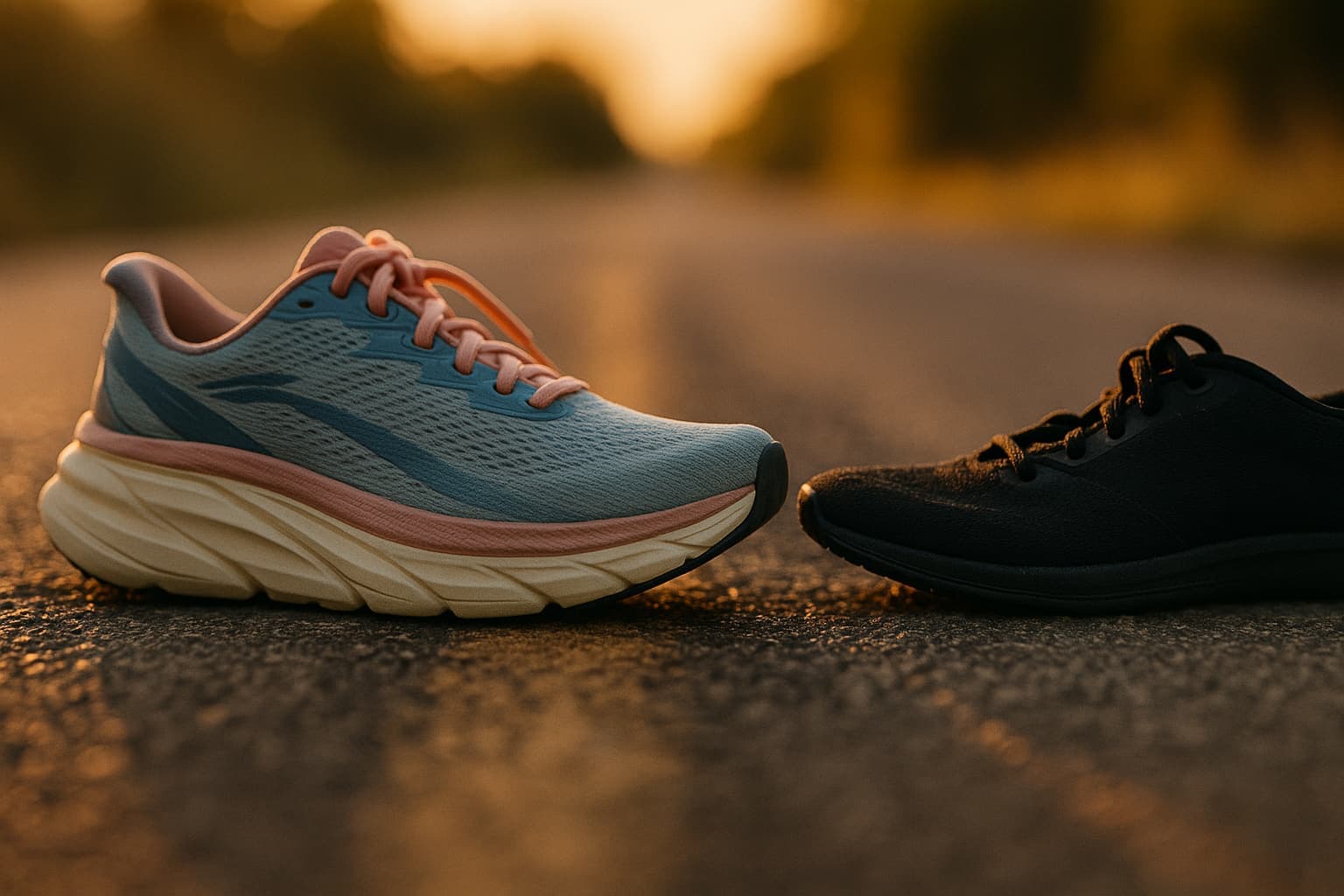
The running shoe industry is worth $47 billion. They've spent decades telling you that the right pair of shoes will keep you injury-free. They've invented foam technologies with names that sound like space programs. They've put carbon plates in your soles and called it "energy return." And after all that innovation, all that R&D, all those marketing dollars — runners still get injured at almost exactly the same rate as they did in the 1970s, when people ran in what were basically flat canvas slippers.
Let that sink in for a second.
The billion-dollar lie
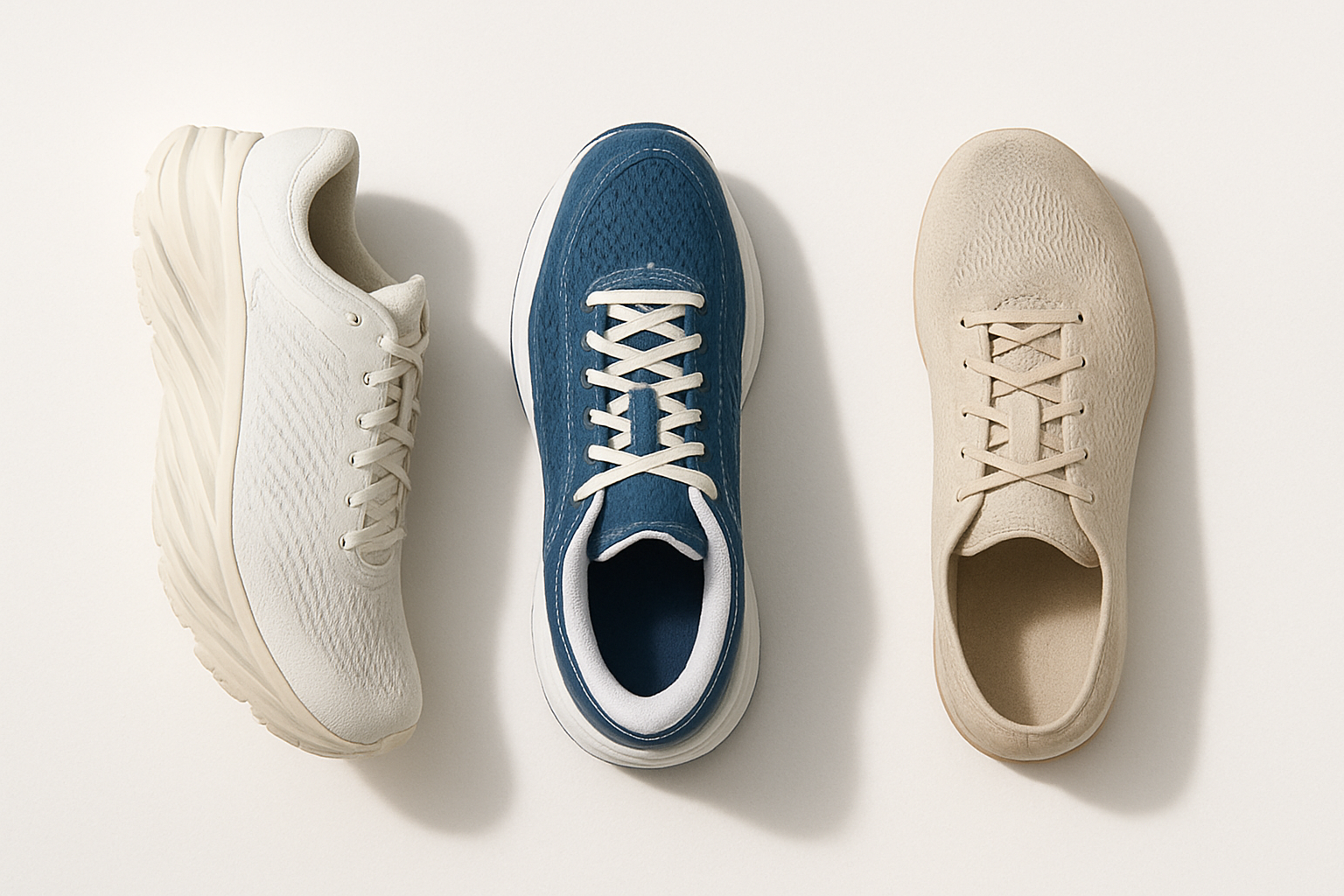
Here's what the shoe industry doesn't want you to think too hard about: there is no strong scientific evidence that any type of running shoe significantly prevents injuries. Not cushioned. Not minimalist. Not stability. Not motion control. None of them.
Don't take my word for it. A 2022 Cochrane review — that's the gold standard of medical evidence — analyzed 12 clinical trials involving over 11,000 runners. Their conclusion? Cushioned shoes "may make little or no difference" to injury risk compared to minimalist shoes. Soft soles vs. hard soles? No clear winner. Motion control vs. neutral? Same story. And the quality of evidence across the board? Low to very low.
Now, this doesn't mean your cushioned shoes are hurting you. It means they're not the magic armor that the guy at the running store promised when he watched you jog on that little treadmill for 30 seconds and told you that you "overpronate."
You know what's wild? No association between shoe brand, shoe cost, or shoe type and injury risk has been established. Your €250 carbon-plated racing shoes offer you no more protection than a well-fitting €80 pair. Zero. The difference is in your wallet, not in your knees.
"But humans evolved running barefoot!"
Every few years, the pendulum swings. First it was maximalism — more cushion, more support, more everything. Then Born to Run came out, everyone bought Vibram FiveFingers, and suddenly the answer was to run like our ancestors on the African savannah.
Look, the evolutionary argument isn't wrong exactly. Humans did evolve as endurance runners. But there's a small detail the barefoot crowd likes to skip over: our ancestors didn't grow up wearing cushioned shoes for 30 years and then suddenly switch to running barefoot on concrete.
Here's where it gets really interesting. Researchers at Brigham Young University gave a group of runners Vibram FiveFingers and told them to transition over 10 weeks. Then they did MRI scans on their feet. The result? The minimalist group showed significantly more bone marrow edema — that's your body's way of saying "one more week of this and you're getting a stress fracture" — than the group that kept running in regular shoes.
Scary, right? But here's the thing everyone missed: it wasn't the minimalist shoes that caused the damage. It was the abrupt change. These runners went from years of cushioned shoes to essentially barefoot running in 10 weeks. Their bones, tendons, and ligaments had never been asked to handle that load. Of course they rebelled.
The gray zone (where the truth actually lives)
If you've read this far hoping I'd tell you which shoes to buy, I'm sorry to disappoint you. The evidence is stubbornly, frustratingly gray. But gray is honest, and honest is more useful than a sales pitch. Here's what we actually know:
Cushioning matters — but not how you think. A randomized trial with 848 recreational runners found that hard-soled shoes came with a 52% higher injury risk than soft-soled ones. Sounds like a slam dunk for cushioning, right? Plot twist: this only held true for lighter runners. Heavier runners — the ones everyone tells to "get more cushioning" — showed no difference at all. The conventional wisdom is literally backwards.
Drop is mostly irrelevant. The heel-to-toe drop — that number (4mm, 8mm, 12mm) that shoe nerds obsess over — doesn't appear to influence injury risk on its own. There's no magic drop number. Zero-drop isn't inherently better or worse than 10mm. Your body just needs time to adapt to whatever you give it.
Minimalist shoes have real benefits — and real risks. A systematic review confirmed that they can improve running economy and strengthen your Achilles tendon over time. But they also significantly increase the load on your ankles and the joints in the front of your foot. It's a trade-off. Like most things in running, there's no free lunch.
Training load changes are the elephant in the room. A systematic review on training load and injury found that the formal evidence linking sudden load changes to injury is... surprisingly thin. But every sports medicine doctor, every experienced coach, and every runner who's been through it will tell you the same thing: you got hurt that time you jumped from 30km weeks to 50km weeks. You got injured when you added speedwork and hill sprints in the same week. The pattern is always the same.
The real culprit (it's not what you're wearing)
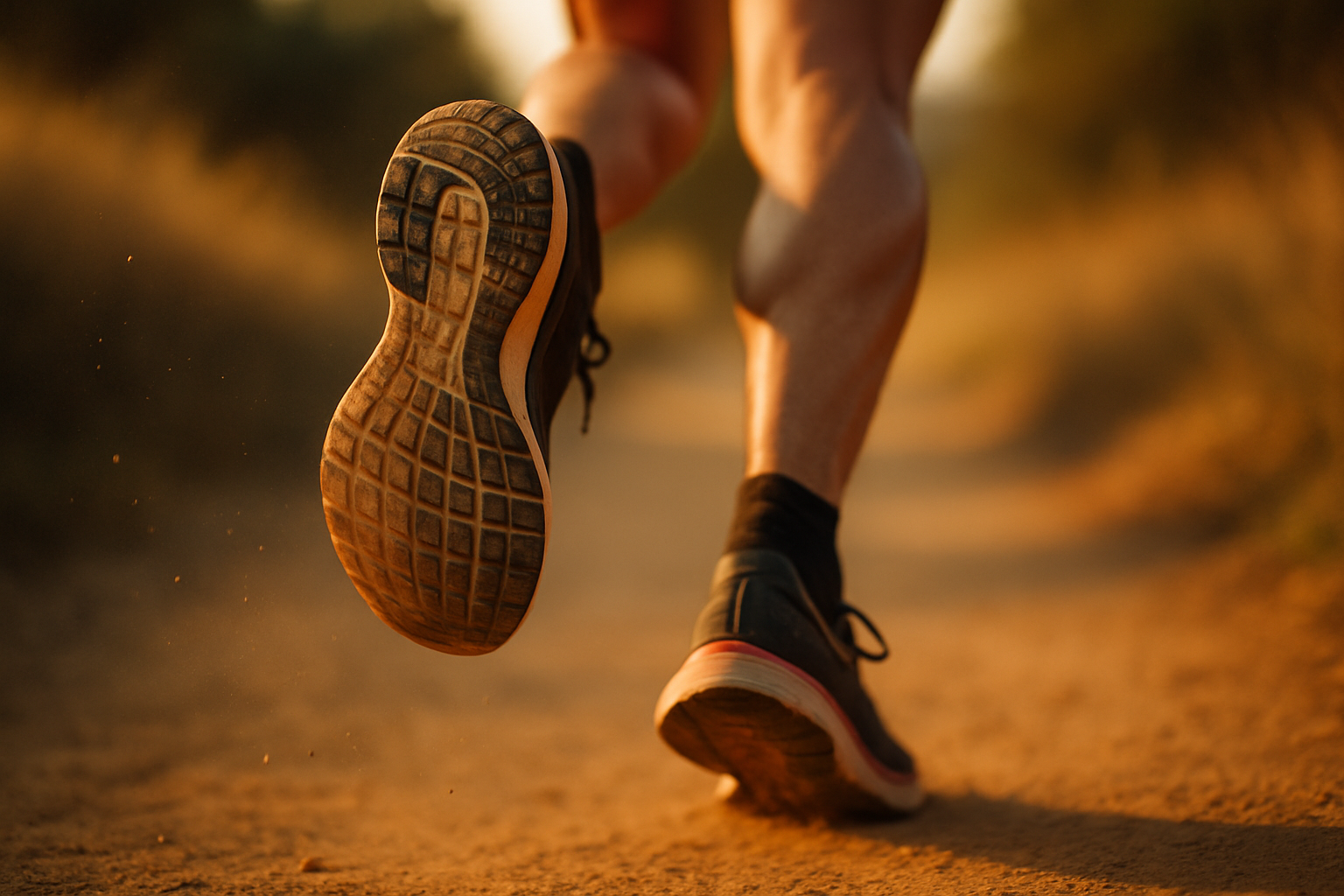
Here's the insight that could save you months of injury rehab: the problem is almost never the shoe. The problem is the change.
Think about it. You buy new shoes with a lower drop. You also start that new training plan your friend swears by. You switch from road to trail because the weather's nice. And you increase your weekly mileage because you're feeling good. Then your Achilles blows up and you blame the shoes.
But it wasn't the shoes. It was four things changing at once while your body screamed for adaptation time it never got.
Your body is an incredible adaptation machine. It can handle minimalist shoes. It can handle maximalist shoes. It can handle barefoot running on gravel. It can handle almost anything — if you give it time. The connective tissue that holds you together (tendons, ligaments, fascia, bone) adapts roughly 10x slower than your cardiovascular system. Your lungs are ready for more miles way before your Achilles tendon is.
That mismatch is where injuries live.
6 rules that actually work
1. Transition like you're defusing a bomb. New shoes? Alternate them with your old pair for 4-6 weeks. Do 20% of your runs in the new pair at first. Your tendons will thank you.
2. Change one thing at a time. More kilometers OR faster pace OR new shoes OR new surface. Pick one. Seriously. One.
3. Trust your comfort over any review. Here's something cool: research suggests that perceived comfort may actually correlate with lower injury risk. If a shoe feels wrong, it probably is — for you. Ignore the 5-star reviews.
4. Stop paying for "protection." No study has ever linked shoe price to injury prevention. Not one. The €80 shoe that feels great on your foot beats the €250 shoe that doesn't.
5. Build your feet. Modern cushioned shoes do some of the work your foot muscles should be doing. Spend 5 minutes a day barefoot: calf raises, towel scrunches, walking on grass. Think of it as insurance.
6. Rotate your shoes. Keep 2-3 pairs with different characteristics and alternate. It varies the mechanical stress on your tissues. Think of it like crop rotation, but for your legs.
The uncomfortable bottom line
The running shoe industry has a dirty secret: shoes don't prevent injuries, and they never have. What prevents injuries is smart training, gradual changes, adequate recovery, and a body that's been given time to adapt to whatever you're asking it to do.
The best shoe for you is the one that feels comfortable, lets you run with decent form, and that you didn't have to sell a kidney to afford. Everything else — the foam technology, the carbon plate, the heel drop number, the motion control system — is either marginal or marketing.
So the next time someone tells you that you got injured because you're wearing "the wrong shoes," remember: the shoe didn't hurt you. The sudden change did. The too-much-too-soon did. The ignoring-pain-because-you-had-a-race-coming did.
Run in what feels good. Change things slowly. And maybe spend the money you saved on shoes on a good sports massage instead.
Your knees will thank you either way.
Ready to start your running journey?
Ranner is your AI-powered running coach. Personalized plans, real-time guidance, and a community that cares.
Keep reading
- Can I Run Every Day? Yes — But Here's How to Do It Without BreakingRunning every day isn't crazy — elites do it. What separates a streak that builds you up from one that breaks you comes down to a few simple rules.
- Why Do People Enjoy Running? The Science, History, and Joy Behind Every StepFrom your brain's own cannabinoid system to a tribe that runs 200 miles for fun — the real science behind why running feels so good.